Room notes

Journal

Five practical notes for looking at sofa scale, room light, modular choices and fabric care before a consultation.

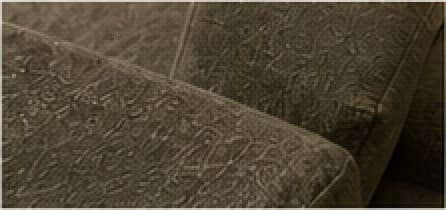
Close view of the olive Soft Weave upholstery.

Materials

Read fabric colour in the room’s light

A fabric sample is most useful beside the surfaces that already shape the room. Compare it with the floor, curtains and wall colour in morning light, late afternoon and after the lamps are on. Tone and texture can shift through the day, so one quick look is rarely enough.

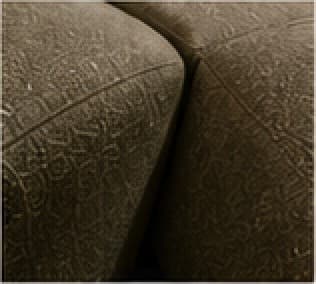
Close view of a rounded seam where two upholstered Vellum modules meet.

Planning

What modular construction changes

A modular sofa separates three decisions that are often confused: the starting setup, its overall width and its position in the room. Compare those decisions one at a time. The consultation can then review how the selected configuration relates to circulation and the rest of the furniture.

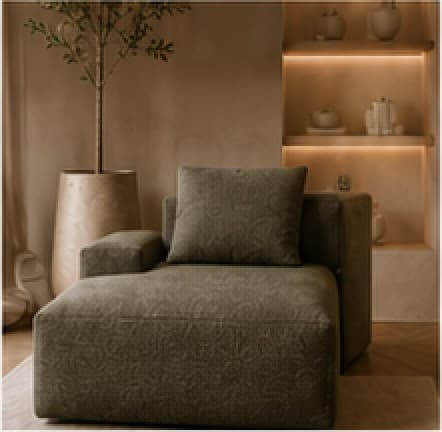
Single olive Vellum module used as a deep armchair beside a small table.

Rooms

Plan a generous seat in a smaller room

Start with the measured footprint, not a room label. Mark the proposed outline on the floor, keep doors and regular walking routes clear, and check the route from the entrance to the final position. A compact setup can still feel generous when the surrounding space remains easy to use.

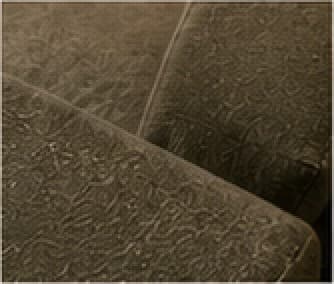
Close view of the textured olive woven upholstery.

Care

Care for a woven fabric

Care begins with the instructions for the exact selected fabric. Keep the sample and proposal details, identify the spill or mark, and ask for fabric-specific guidance before applying water, detergent or another cleaning product. A general fabric label is not a substitute for the correct care information.

From notes to the room

Continue with the room in mind

Compare the Vellum Lowform configurations and fabrics, or send Cradelle the room context you would like reviewed.